The three genuinely one-handed games
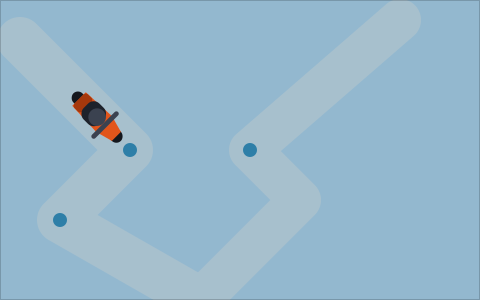
One-Tap Bike — tap anywhere to reverse your diagonal. That is the whole control scheme. Portrait, one thumb, and the entire play area is the button.
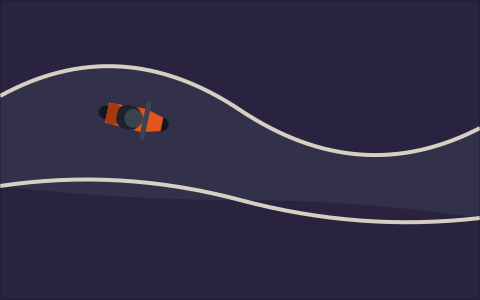
Endless Motorcycle Ride — steering only, and you can hold the left or right half of the play area instead of using the buttons. There is no throttle to manage.
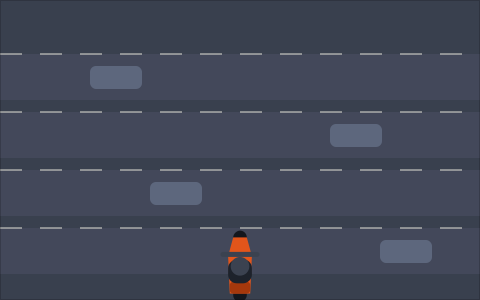
Traffic Bike Escape — a large Go button and a smaller Back button, no timer, and a portrait layout. The best game here for a crowded train.
Excellent on mobile, but use two thumbs
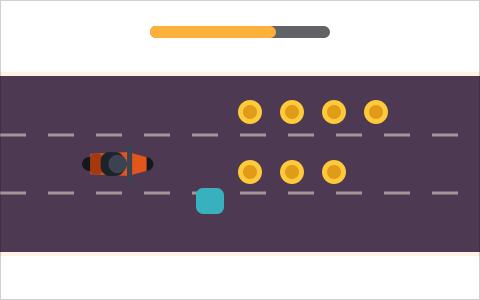
Moto Coin Rush has two lane buttons and a boost, and a run is exactly sixty seconds — which is close to the ideal mobile session length.
Motorcycle Rush uses two tap-to-move lane buttons and nothing else. Lane games are arguably better on touch than on a keyboard, because a tap is a more natural fit for a discrete move than a key press is.
Impossible Bike Track lets you tap anywhere on the stage to jump, which makes it entirely comfortable on a phone despite being one of the hardest games here.
Extreme Bike Jump is one Lock button for both meters. Twenty seconds a round.
Better in landscape
The side-view physics games — Dirt Bike Challenge, Hill Climb Motorcycle, Moto Stunt Challenge, Bike Flip Master — all want horizontal room, because seeing the terrain ahead is the skill. They show a small rotate hint in portrait rather than forcing the orientation.
The highway games — Highway Bike Racer, Night Highway Rider — are the same. In portrait you can see about half as far down the road, which is a real handicap rather than a cosmetic one.
City Bike Racer benefits most of all: the top-down camera shows more of the corner in landscape, and seeing the corner is how you learn the line.
What is harder on touch
Fine balance control is the one real loss. Motorcycle Wheelie and Motorcycle Balance both need very short, precise inputs, and a thumb on glass has more travel and less tactile feedback than a key. They are perfectly playable, just slightly harder.
Games with four simultaneous buttons — lean pair plus throttle and brake — ask more of your hands on a small screen. If a game feels cramped, the buttons are laid out with the pair you use most on the side you would expect, but there is no getting around the size of a phone.
Practical mobile notes
Nothing to install. These are web pages. There is no app, and adding the site to your home screen just makes a bookmark that opens fullscreen.
Scores are per-browser. Best scores live in that browser's storage on that device. They will not follow you from your phone to your laptop, and private browsing will not keep them at all.
Games pause when you leave. Switching tabs or apps pauses the run instead of letting it die, and touch controls never sit on top of the play area.
Battery. Particle effects and background detail are reduced on touch devices automatically, and games stop rendering entirely when paused. A sixty-second run costs about what reading a page costs.